48 Hours in Mexico City: Maison Lézard, Mezcal Nights & Beautiful Chaos
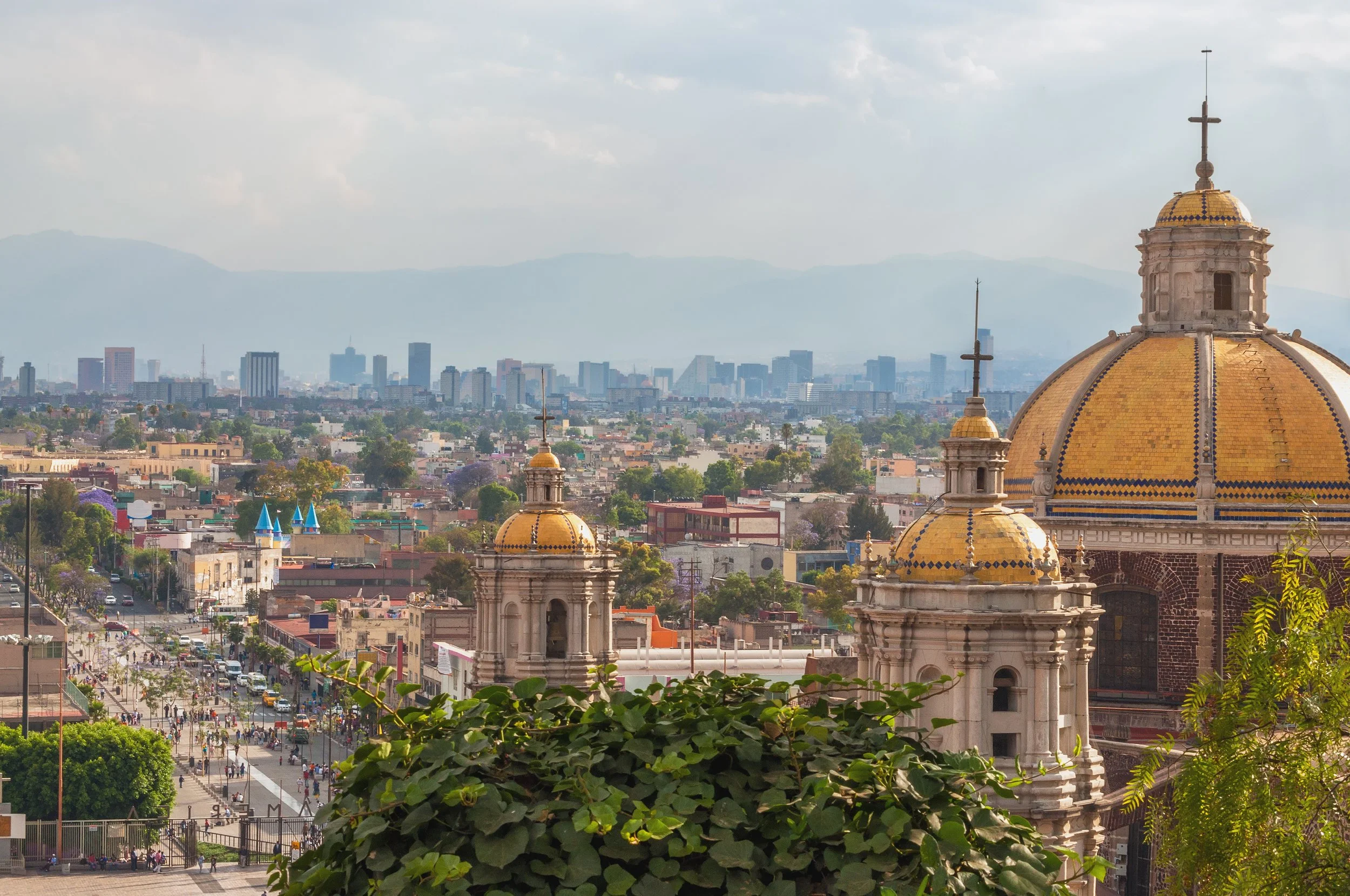
Best of both worlds: Spanish Colonial architecture and modern skyscrapers.
A City You Do Not Simply Visit
48 hours in Mexico City? You don’t truly “do” Mexico City in two days. You give in to it.
This is not a city that introduces itself politely, chapter by chapter. It hits all at once: the jacaranda trees, the traffic, the scent of tortillas on the street, the rhythm of old structures and new aspiration, the sirens, the laughter, the waiters who somehow know your face, and the mezcal that tastes like smoke, dirt and memories.
Maison Lézard: A Discreet Refuge
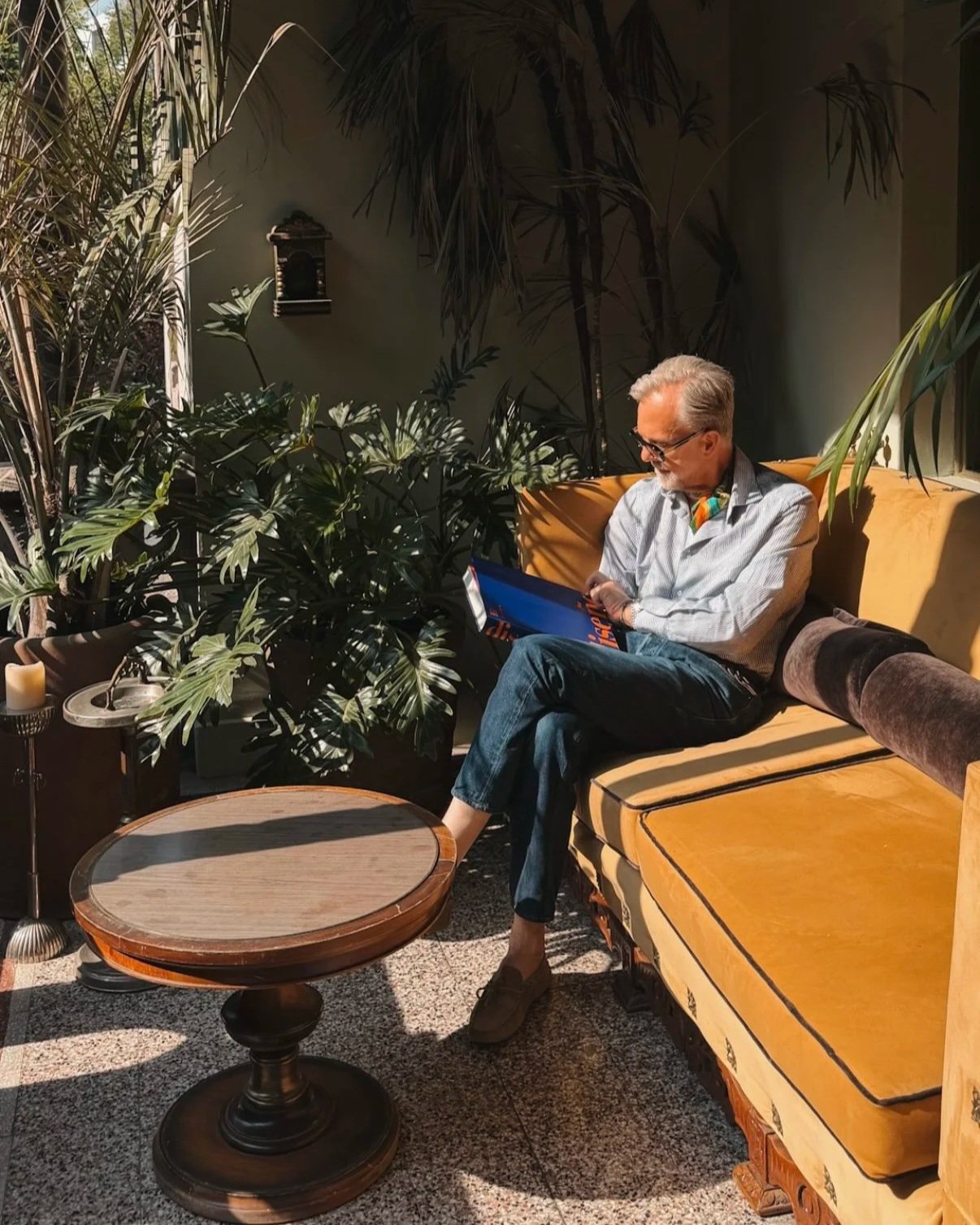
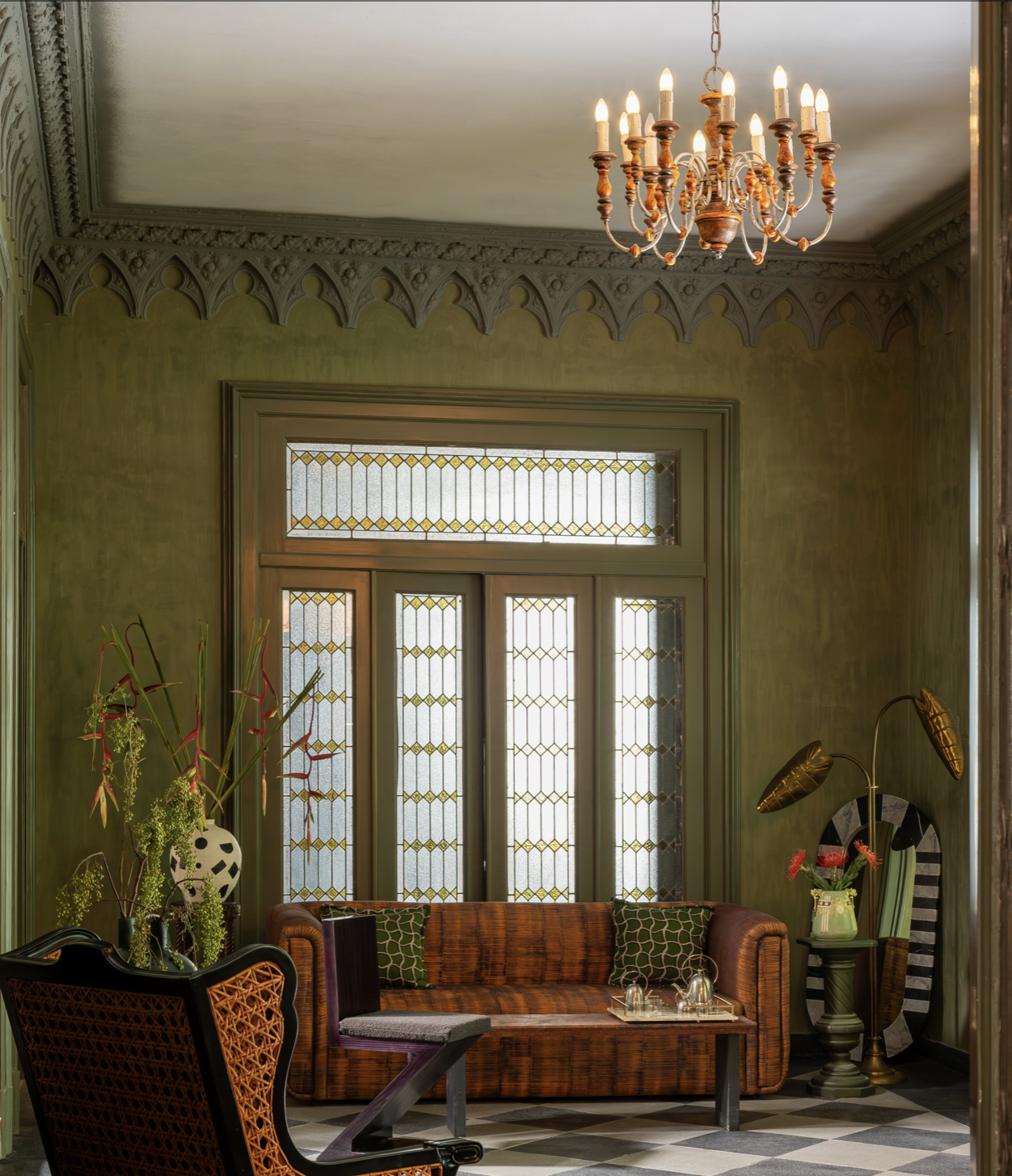
For this stay, I based myself at Maison Lézard, a charming boutique hotel that’s got the air of a private residence you were lucky enough to be invited into. In a city that can overwhelm even the seasoned tourist, Maison Lézard gives just what the doctor ordered: warmth, intimacy, charm and a touch of quiet behind the door.
What I loved straight away was that it doesn't feel like a hotel attempting to impress you in that noisy, foreign way. It feels personal, more like a house that goes about its own business, its own pace, its own nooks, and its own mood. There’s a tenderness to the place: thoughtful interiors, pleasant fabrics, subtle touches, and the kind of hospitality that doesn’t have to thrust itself in your face every five minutes. There it is, yet it doesn’t intrude.
That works in Mexico City. After a day of activity, heat, colour, noise, food, discussion and traffic, you want to come back to somewhere that lets you exhale. That’s what Maison Lézard gives you. It's intimate enough to seem curated but not staged, sophisticated enough to feel exceptional but not precious. It’s the proper kind of base for tourists who want soul, not spectacle.
Where to hang out in Mexico City
Stay in the appropriate neighbourhood, and Mexico City will reward you. For me, the most elegant bases are La Condesa, Roma Sur and Polanco. Condesa has lush streets, Art Deco facades and cafes perfect for leisurely mornings. Roma Sur offers a bit less polished, more lived-in vibe, with great food, creative energy and that sense of living inside the city rather than visiting it. In the meantime, Polanco is the obvious pick for luxury hotels, high-end shopping, serious restaurants and a more international beat.
But Mexico City should never be limited to shiny neighbourhoods. The contrast is what makes it beautiful.
Food, Coffee and Mezcal
One minute you’re enjoying a carefully brewed coffee in a gorgeous, well-designed cafe. Next thing you know, you’re standing on a street eating tacos that might well be better than dinner at a formal restaurant. Here, food goes beyond gastronomy. It’s culture, social life, memory, and identity. Street cuisine is not the “cheap alternative” but one of the major manifestations of the excellence of the city. Tacos al pastor, tamales, quesadillas, tostadas, esquites – each one tells you something about Mexico’s generosity.
And then there are bars.
Mexico City has emerged as one of the world’s great drinking towns. Not because it imitates London, Paris or New York, but because it has established a language of its own. Mezcal is a part of that language. Smoky, complicated, sometimes gentle, sometimes almost philosophical, it makes you slow down. Mezcal, you do not shoot back. You listen to it. The same is true of the city’s coffee culture, which has evolved into something delightfully refined without losing its casual human friendliness. A morning espresso in Condesa, an afternoon café de olla, a late-night mezcal in Roma: that’s a pretty good day structure.
Beautiful Chaos
Of course, it is not always easy in Mexico City. It’s hectic and boisterous and passionate and often ridiculously complicated. Traffic doesn't flow; it negotiates with fate. Things change. Distances are falsehoods. Forty minutes instead of ten. Here’s where the lightness comes in. Or, as the Italians would say with a smile: 'Andiamo, andiamo.' Keep on moving. Keep smiling. Don’t resist the city too much. It's sure to win.
But its disarray has a charm. Comfort, not always charm. And underneath that seeming disarray, there is an incredible warmth. The folks I met were generous, kind, hilarious, patient, direct and open-hearted. Mexico City has an edge, but it has an embrace too.
History, Pyramids and Lucha Libre
The city has a tremendous history. It is built atop the ruins of Tenochtitlan, layered with Aztec, Spanish, modernist and contemporary identity. The historic centre remains enormous, dense and symbolic. And just outside the city, the pyramids of Teotihuacan remind you this area was already dreaming big architectural dreams long before Europe began convincing itself it had founded civilisation.
And then, because Mexico never lets you stay too solemn for long, there's lucha libre. Masks, drama, acrobatics, mythology, theatre. It is stupid and brilliant in equal parts. And strangely, it makes total sense here.
Ready for the World Cup
The city is also planning to host another big worldwide stage: the FIFA World Cup 2026, with the first match to be held at the Estadio Azteca on June 11, 2026. Football, history, street life, gastronomy, hospitality, madness, and elegance: few cities could take that stage better.
Final Thought
Long story short, Mexico City is not a setting. “It’s a pulse.
And to experience it, Maison Lézard was the appropriate place. Not a great castle against the city, but a modest sanctuary within the city. A city that demands energy but delivers much more in return, a place with individuality, warmth and a sense of home.
Paid partnership with Maison Lézard.